Image Source: EarPros.com
Hearing loss is a prevalent issue among seniors, often affecting their quality of life and social interactions. As individuals age, the tiny hair cells in the inner ear that process sound can be damaged or die, leading to hearing impairment. This natural degeneration can be accelerated by factors such as prolonged exposure to loud noises, certain medications, and illnesses. Recognizing the signs of hearing loss early is crucial for seniors to maintain an active and engaged lifestyle.
The impact of hearing loss extends beyond mere communication difficulties. It can lead to feelings of isolation, depression, and frustration. Seniors with untreated hearing loss are more likely to experience cognitive decline and other mental health challenges. Therefore, addressing hearing impairment promptly is essential for maintaining overall well-being.
Understanding the specific type and degree of hearing loss is the first step toward finding an effective solution. Audiologists can perform comprehensive hearing evaluations to determine the extent and causes of hearing loss. This information is vital in choosing the most suitable hearing aids for seniors, ensuring they receive the maximum benefit from their devices.
How to Choose the Best Hearing Aids for Seniors
Selecting the best hearing aids for seniors involves considering several factors, each contributing to the effectiveness of the device. One of the primary considerations is the severity of the hearing loss. Different hearing aids are designed to accommodate varying levels of impairment, from mild to profound. Consulting with an audiologist can help determine the appropriate level of amplification needed.
Comfort and ease of use are also critical when choosing hearing aids for seniors. Devices should fit well without causing discomfort, and controls should be intuitive, allowing seniors to adjust settings easily. Many modern hearing aids come with user-friendly features such as automatic volume adjustment and noise reduction, enhancing the overall user experience.
Additionally, lifestyle needs and personal preferences play a significant role in selecting hearing aids. For active seniors, features such as water resistance and Bluetooth connectivity may be valuable. It’s also important to consider the aesthetic aspect, as some seniors may prefer discreet options that are less visible. Balancing functionality, comfort, and appearance can lead to a more satisfactory hearing aid experience.
Key Features to Look for in Hearing Aids
When evaluating hearing aids, several key features can significantly enhance their utility and comfort for seniors. Noise reduction is a crucial feature, as it helps distinguish speech from background noise, a common challenge for those with hearing loss. Advanced devices offer adaptive noise control, automatically adjusting to different environments.
Directional microphones are another essential feature, as they focus on sounds coming from a specific direction, typically in front of the user. This can improve the clarity of conversations, especially in noisy settings. Many modern hearing aids also include feedback cancellation to prevent whistling or buzzing sounds, which can be distracting and uncomfortable.
Connectivity options have become increasingly important, with many hearing aids now offering Bluetooth functionality. This feature allows users to connect their hearing aids to smartphones, televisions, and other devices, providing a seamless audio experience. For tech-savvy seniors, this connectivity can greatly enhance their enjoyment of various media and communication tools.
Types of Hearing Aids for Seniors
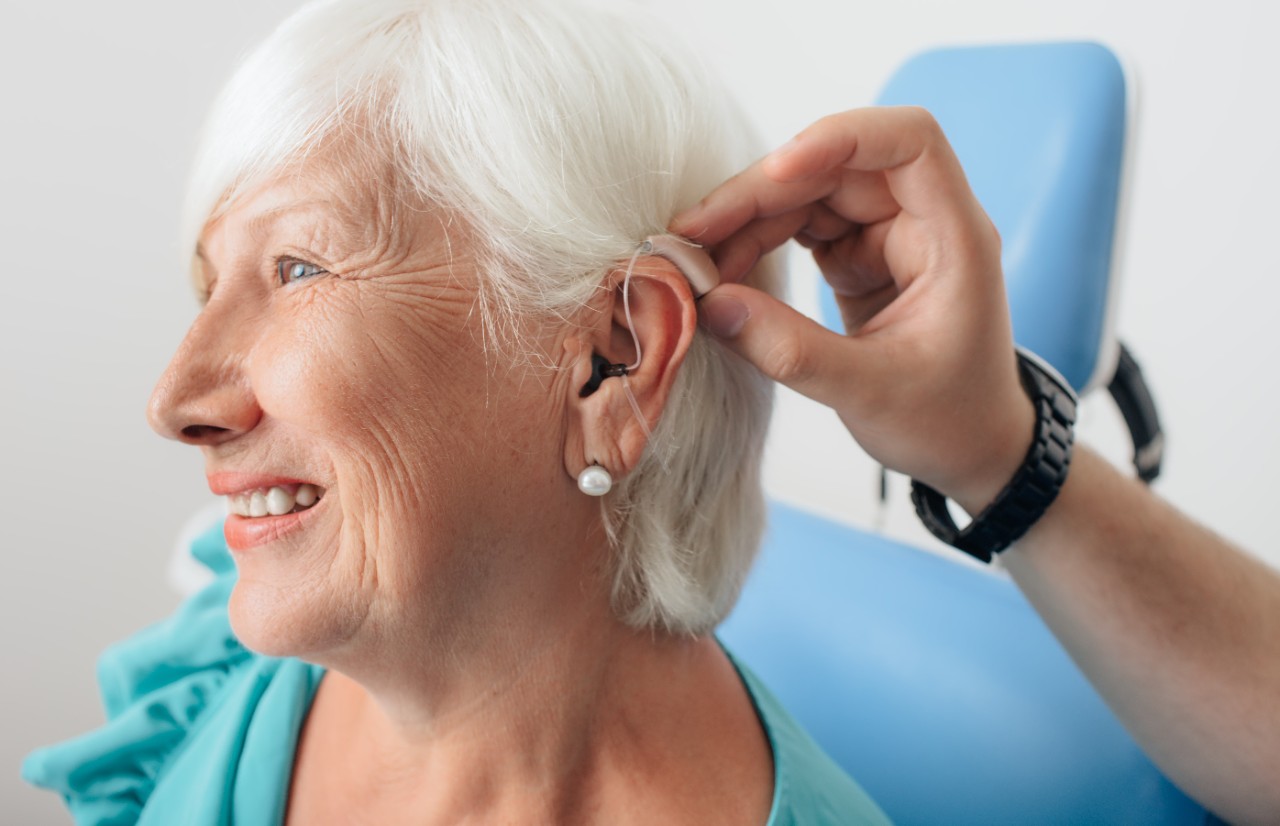
Hearing aids come in various styles, each with distinct advantages and disadvantages. Behind-the-ear (BTE) hearing aids are popular among seniors due to their ease of use and versatility. These devices rest behind the ear and are connected to an earmold inside the ear canal, making them suitable for a wide range of hearing losses.
In-the-ear (ITE) hearing aids are custom-made to fit the entirety of the outer ear. They are generally more visible than other types but offer powerful amplification and are easy to handle. ITE devices are often recommended for seniors with dexterity issues, as their larger size makes them easier to insert and remove.
In-the-canal (ITC) and completely-in-canal (CIC) hearing aids are smaller and fit partially or entirely inside the ear canal. These options are more discreet but may not be suitable for severe hearing losses. The choice of hearing aid type should be based on individual needs, preferences, and the specific characteristics of the hearing loss.
What Insurance Covers Hearing Aids for Seniors?
Navigating insurance coverage for hearing aids can be complex, but understanding the options available can help alleviate some financial burdens. Medicare, the primary healthcare program for seniors, does not cover hearing aids or exams for fitting them, which can be a surprise for many. However, some Medicare Advantage plans may offer additional benefits, including partial coverage for hearing aids.
Medicaid, a joint federal and state program, provides varying levels of coverage for hearing aids, depending on the state. Seniors should check with their state’s Medicaid office to determine eligibility and specific benefits. Additionally, some private insurance plans offer coverage, so it’s advisable to review policy documents or consult with an insurance representative to clarify what is covered.
For veterans, the Department of Veterans Affairs (VA) offers comprehensive hearing evaluations and hearing aids at little to no cost, provided certain eligibility criteria are met. Understanding these options can help seniors plan for the cost of hearing aids and explore potential avenues for financial assistance.
Affordable Hearing Aids for Seniors
While hearing aids can be a significant investment, there are ways to find affordable options without sacrificing quality. One approach is to consider over-the-counter (OTC) hearing aids, which have become more prevalent in recent years. These devices are generally less expensive than prescription models and can be purchased directly from retailers.
Non-profit organizations and charitable foundations sometimes offer financial assistance or discounted hearing aids to seniors in need. Programs such as the Lions Club Hearing Aid Recycling Program refurbish donated hearing aids and distribute them to those who qualify. Exploring these resources can help seniors access affordable solutions.
Additionally, many hearing aid manufacturers offer payment plans or financing options, allowing seniors to pay for their devices over time. This can make high-quality hearing aids more accessible to those on a fixed income. It’s important to compare options and consider all available resources to find the most cost-effective solution.
Exploring Free Hearing Aids for Seniors Programs
For seniors with limited financial resources, several programs offer free hearing aids. Organizations like Starkey Hearing Foundation and Hearing Charities of America provide assistance to eligible individuals, ensuring they receive the necessary devices to improve their hearing health. These programs typically require an application process and may have specific eligibility criteria.
State-run programs also exist in some areas, offering free or low-cost hearing aids to qualifying seniors. It’s beneficial to contact local health departments or senior services agencies to inquire about available programs. These initiatives aim to reduce the financial barriers to obtaining hearing aids, promoting better hearing health among seniors.
Another option is to explore clinical trials conducted by universities or manufacturers, which often seek participants to test new hearing aid technologies. Participants may receive free devices or significant discounts in exchange for their involvement. Staying informed about such opportunities can provide access to cutting-edge technology at no cost.
Top Brands Offering the Best Hearing Aids for Seniors
Several renowned brands specialize in producing high-quality hearing aids tailored to seniors’ needs. Phonak is a leading manufacturer known for its innovative products that offer excellent sound quality and advanced features such as Bluetooth connectivity and rechargeable batteries. Their devices are designed to cater to various levels of hearing loss.
Widex is another reputable brand, recognized for its commitment to creating hearing aids with superior sound processing capabilities. Widex devices are often praised for their natural sound reproduction and effective noise reduction, making them a popular choice among seniors.
ReSound offers a range of hearing aids that focus on personalization and connectivity. Their products are designed to provide a comfortable user experience with features like remote fine-tuning and smartphone app integration. These brands, along with others like Starkey and Oticon, offer diverse options to suit different preferences and requirements.
Conclusion
Choosing the best hearing aids for seniors involves a thorough understanding of individual needs, lifestyle preferences, and available financial resources. By considering factors such as hearing loss severity, key features, and insurance coverage, seniors can find devices that significantly enhance their quality of life. With the right hearing aids, seniors can enjoy improved communication, reduced isolation, and greater engagement in everyday activities.
Frequently Asked Questions About Hearing Aids for Seniors
1. How often should hearing aids be replaced?
Hearing aids typically last between 3 to 7 years, depending on their maintenance and care. Regular check-ups with an audiologist can help determine when replacements are necessary.
2. Can hearing aids restore normal hearing?
While hearing aids cannot restore normal hearing, they significantly improve the ability to hear and understand speech, enhancing overall communication.
3. What should seniors do if their hearing aids are not working properly?
If hearing aids are malfunctioning, seniors should consult their audiologist for troubleshooting. Regular maintenance and cleaning can also prevent common issues.

 By
By