Medicare vs Medicaid: two programs, different jobs

Medicare is federal health insurance. Medicaid helps people with limited income. You can have both. Here is how the two programs differ in 2026.
Medicare is federal health insurance. Medicaid helps people with limited income. You can have both. Here is how the two programs differ in 2026.
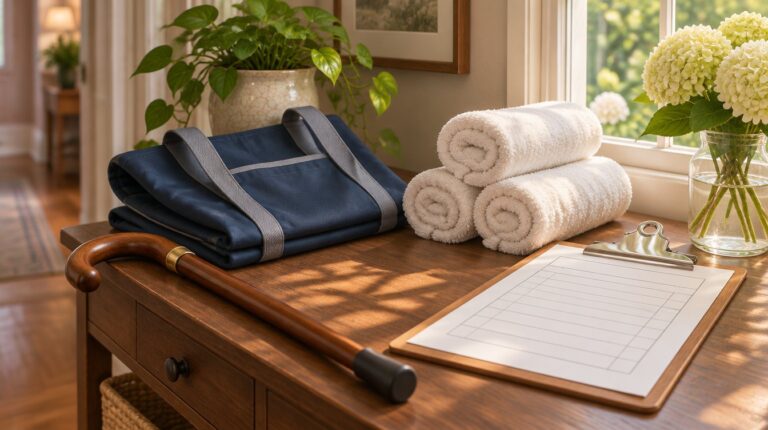
Original Medicare can pay $0 for part-time skilled home health care if you are homebound and a provider orders it. It does not pay for 24-hour care.

Original Medicare does not pay for routine eyeglasses. It can help with one pair of standard glasses after cataract surgery that implants an intraocular lens.
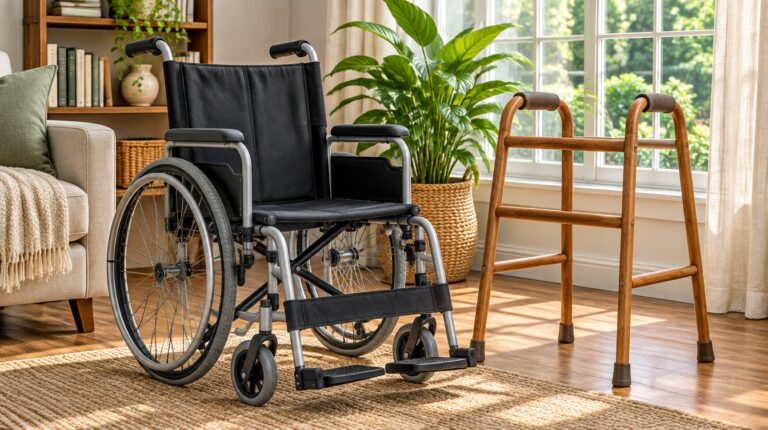
Medicare Part B can help pay for a medically necessary wheelchair or walker used in the home. After the $283 deductible, you usually pay 20 percent.

Medicare does not cover custodial care if that is the only care you need. Medicare.gov's nursing-home page opens with that line. A nursing home can mean a short rehab stay after a hospital admission, or a long-term bed for help bathing, dressing, and eating. Those are…

No. Original Medicare does not pay for assisted living room and board. It does not pay for most custodial care. Medicare.gov puts it in one line: Medicare doesn't pay for long-term care. You pay all costs.

Medicare.gov's hearing-aids page is one sentence. Original Medicare does not cover hearing aids. It does not cover exams for fitting them. You pay all costs for those non-covered services. That is the coverage rule, not a plan brochure.
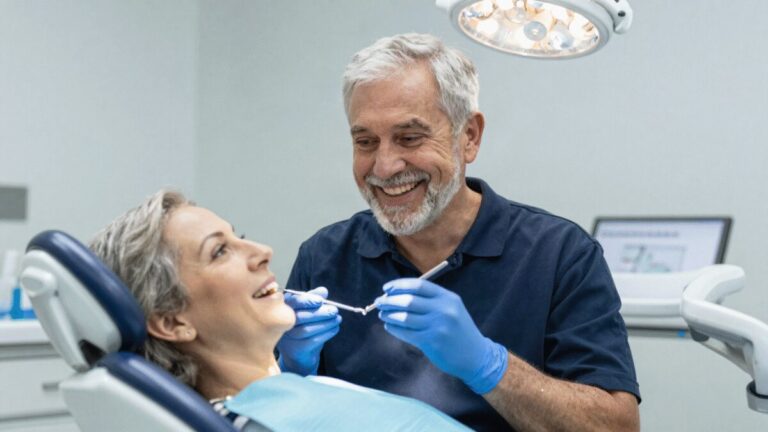
Direct answer: In most cases, no. Original Medicare does not pay for routine dental care like cleanings or dentures, so you pay the full bill. Does Medicare cover dental at all? Yes, in a few narrow cases where the dental…
Direct answer: Medicare Part A in 2026 is Hospital Insurance. It helps pay for inpatient hospital stays, short skilled nursing facility stays, hospice, and some home health care. Most people pay no premium for it, but you can still owe…
Direct answer: Medicare Part D drug coverage in 2026 caps what you pay for covered drugs at $2,100 for the year. Once you reach that cap, your covered Part D drugs cost $0 until December 31. The cap does not…